3 Important Retail Lessons From Toronto Market Week
Fresh off the show floor, three clear themes emerged from independent retailers, multi-store owners, and legacy operations across Canada.
Trade shows are often where the public version of an industry gets presented: bright displays, polished pitches, and optimistic forecasts. But the real story is almost always in the conversations between the sessions, at the edges of the booth, and over a quick coffee before the floor opens.
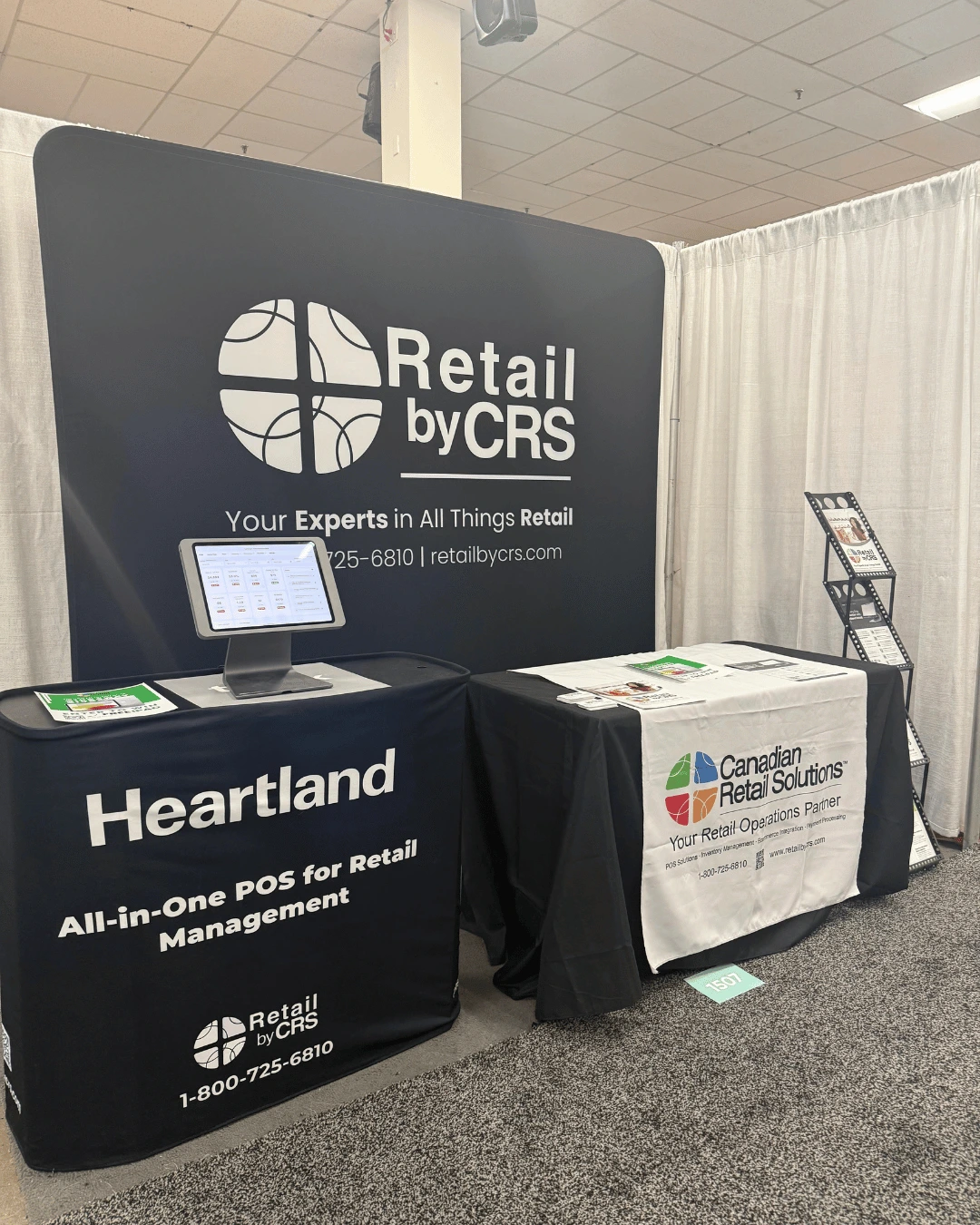
I spent several days at Toronto Market Week talking with independent retailers, multi-location operators, and business owners from across Canada. They came from apparel, gift, home, specialty food, and general merchandise. They ranged from brand-new stores preparing for their first grand opening to second-generation operators running three or four locations.
Across those conversations, a few themes stood out around opening new stores, getting more value from retail technology, and the challenges that come with changing systems. Here is what retailers are thinking about right now.
Held semi-annually, Toronto Market Week brings together thousands of independent retailers, buyers, and vendors under one roof to discover new products, build supplier relationships, and discuss industry trends.
New Store Openings: Getting It Right From the Start
Some of the most memorable conversations at the show were with retailers preparing to open new stores. Opening a retail business comes with no shortage of moving parts, and the technology side can quickly become another source of stress if the right systems and support aren’t in place.
What stood out was how important it is for new owners to understand their options before committing to a system. Cost matters, but so does choosing technology that fits the way the business actually needs to operate.
For a new owner, the goal isn’t simply to get a system running for opening day. It’s to choose a platform that meets the business’s specific needs today while giving it room to grow without creating unnecessary disruption later.

The System Switchers: Their Current System Isn’t Meeting Their Needs
Another important group of conversations was with established retailers whose current systems no longer meet every requirement of their business. In many cases, they know something needs to change, but making that change can feel daunting.
Every retailer has a different combination of operational needs, and those requirements don’t always fit neatly into a one-size-fits-all platform. A system may handle most of the basics while still falling short in one or two areas that are increasingly important to the business.
Price is always part of the conversation, but value matters more. Retailers aren’t simply asking, “What does this cost?” They’re asking whether the investment actually delivers the capabilities their business needs. Paying more for a system that still doesn’t check the right boxes isn’t good value.
For retailers considering a change, the biggest concerns weren’t always about the new technology itself. They were about the transition:
• The workload involved in changing systems
• Having to learn a new platform and retrain staff
• Migrating existing business and customer data
• The overall disruption and hassle of making a change
For these operators, the question isn’t simply whether another system might be better. It’s whether the benefits of switching justify the effort involved in getting there. That makes implementation, migration, training, and support just as important as the software itself.

The Hardest Part of Switching Isn’t Always the Technology
One of the clearest barriers to switching systems is the transition itself. Even when retailers know their current technology isn’t meeting every need, the thought of migrating data, relearning software, training staff, and managing the change can be enough to make them hesitate.
That’s why support can’t begin and end with the software purchase. Retailers need someone who can help them evaluate their options, implement the system properly, move their data, train their team, and stay involved after launch.
That is also where working with a multi-solution provider like CRS becomes valuable. Rather than forcing every retailer into the same platform, the goal is to understand what the business actually needs, match it with the right solution, and support the entire process from implementation and training through data migration and ongoing service.
