
Summer can be a mixed blessing for retailers. While some businesses experience an increase in traffic due to tourism, seasonal events, or outdoor activities, many retailers see customer visits become less predictable during the warmer months. Families head out on vacations, routines change, and shopping priorities often shift. As a result, sales can slow down compared to other times of the year.
The good news is that a seasonal slowdown does not have to mean a significant drop in revenue. Successful retailers use quieter periods as an opportunity to engage customers, strengthen relationships, and implement strategies that keep sales moving even when foot traffic is lighter.
If you are looking for ways to maintain momentum this summer, here are five proven strategies that can help.
1. Reconnect with Existing Customers
One of the most effective ways to generate sales during a slower period is to focus on customers who have already purchased from you. These individuals already know your brand and are often much easier to convert than completely new customers.
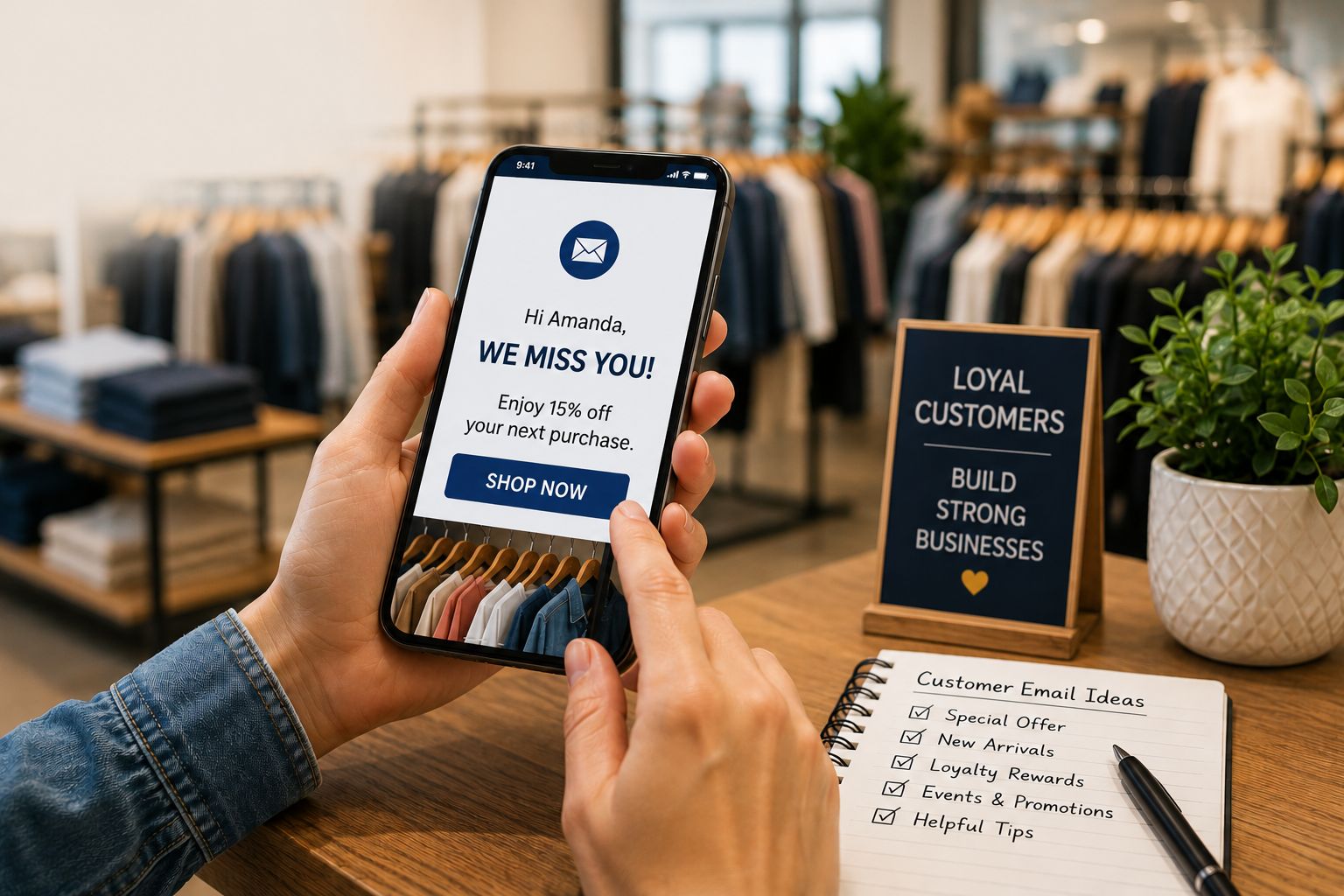
Review your customer database and identify shoppers who have not made a purchase in several months. A simple email campaign offering a special promotion, early access to new products, or a reminder about your loyalty program can encourage them to return.
Your point of sale system likely contains valuable customer purchase history that can help you create more targeted marketing campaigns. Personalized messages based on previous purchases often perform much better than generic promotions.
2. Create Product Bundles & Special Offers
Summer is an excellent time to experiment with creative promotions that increase the value of each transaction.
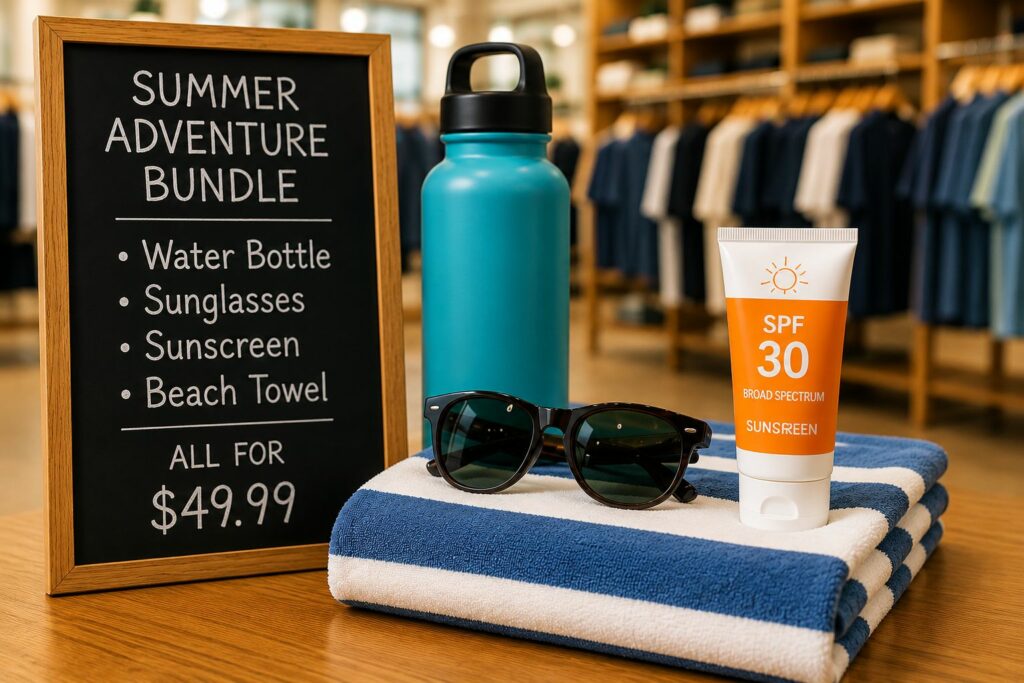
Rather than discounting individual products, consider grouping complementary items together into bundles. Customers appreciate convenience and perceived value, while retailers benefit from moving more inventory in a single sale.
For example, a clothing retailer might bundle seasonal apparel and accessories. A gift shop could create themed gift sets. A sporting goods retailer could package related products together for outdoor activities.
Bundling can also help reduce slower moving inventory while increasing average transaction values.
3. Use Your POS Data to Identify Opportunities
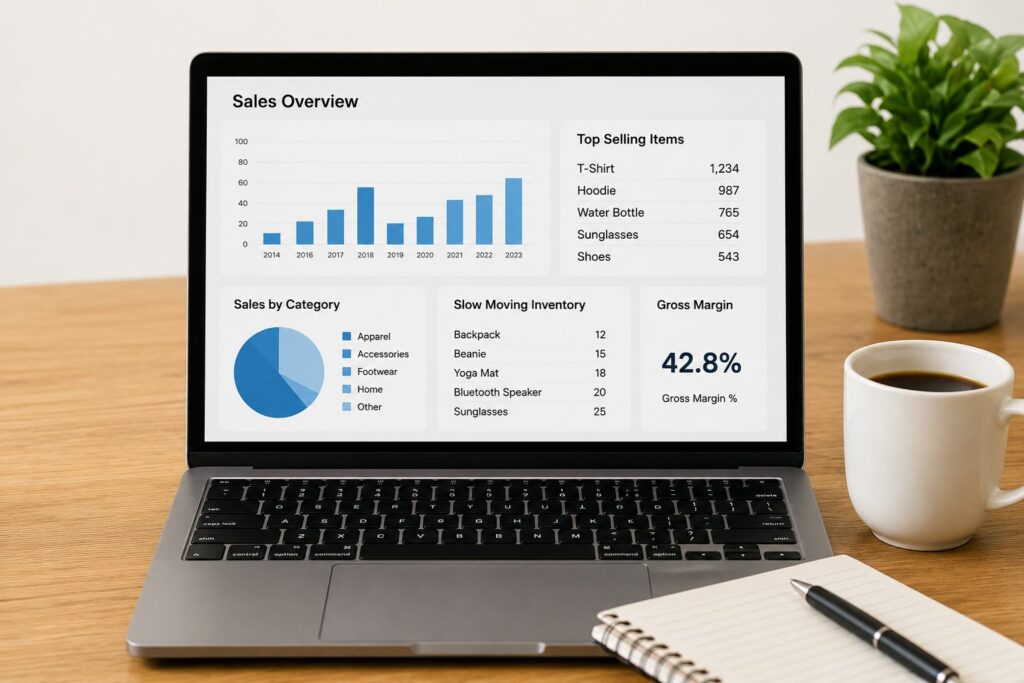
Many retailers collect a tremendous amount of sales data but rarely take the time to analyze it. During a slower season, your reporting tools can become one of your most valuable resources.
Review reports that highlight:
- Top selling products
- Slow moving inventory
- Customer buying patterns
- Sales by category
- Gross margin performance
This information can help you make informed decisions about promotions, purchasing, and inventory management. You may discover products that deserve additional marketing attention or identify inventory that should be cleared out before the next season arrives.
Retailers who consistently use their data often uncover opportunities that would otherwise go unnoticed.
4. Host Event or Community Promotions
When customer traffic slows, creating a reason for people to visit your store can make a significant difference.
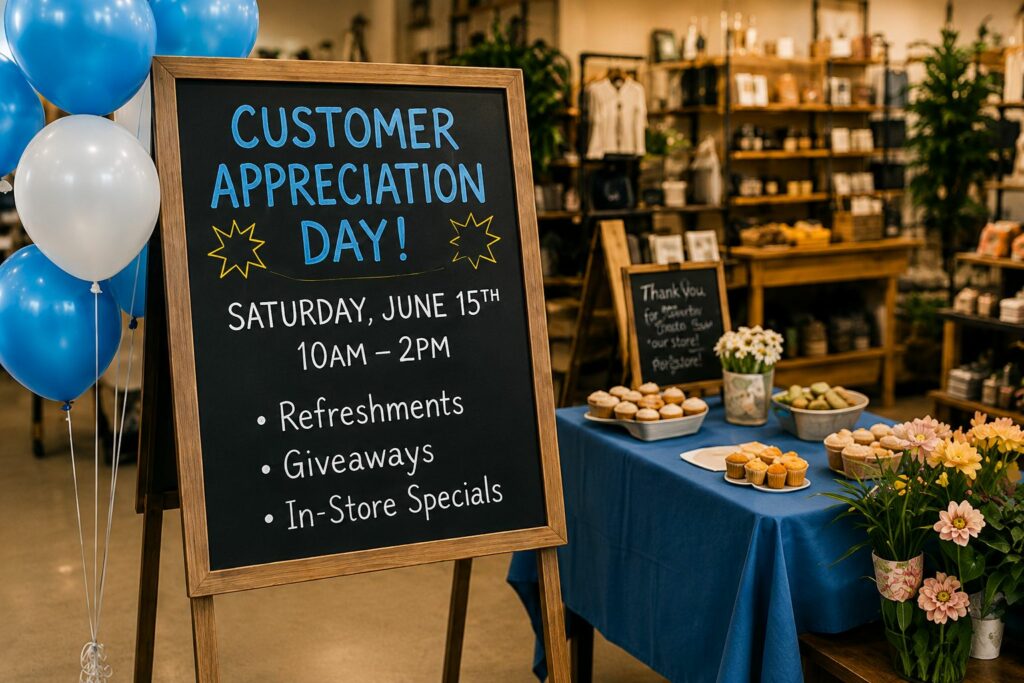
Consider hosting a special event, customer appreciation day, product demonstration, workshop, or local partnership promotion. These activities create excitement and give customers a reason to engage with your business beyond making a purchase.
Community focused events can also strengthen customer loyalty and increase brand awareness. Even a relatively simple in store event can generate social media engagement, word of mouth referrals, and additional sales opportunities.
The goal is to create memorable experiences that encourage customers to choose your business over larger competitors.
5. Prepare for the Next Busy Season
One of the smartest ways to use a slower period is to prepare for what comes next.
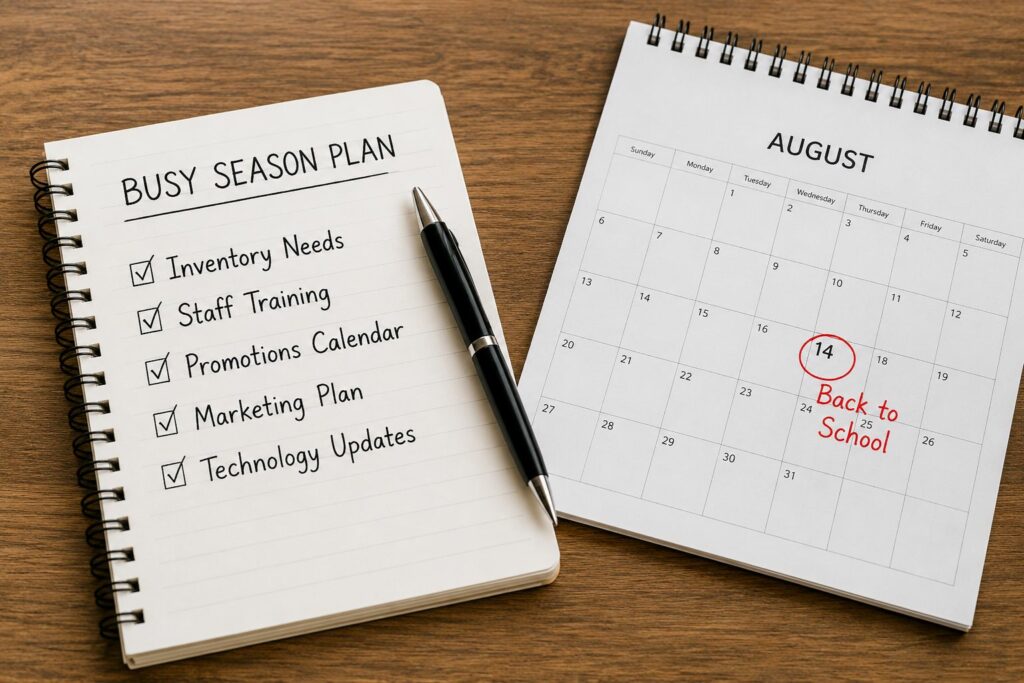
Back to school shopping, fall promotions, holiday planning, and inventory purchasing often begin much earlier than many retailers realize. Summer provides an ideal opportunity to review sales trends, evaluate inventory levels, and create marketing plans for upcoming seasons.
Take time to assess:
- Inventory needs
- Staff training opportunities
- Promotional calendars
- Customer communication plans
- Technology and POS system updates
Retailers who plan ahead are often better positioned to capitalize on peak selling periods when customer demand increases.
Turning a Slow Season into a Strategic Advantage
Every retail business experiences seasonal fluctuations. Rather than viewing a summer slowdown as a setback, consider it an opportunity to strengthen your operations, reconnect with customers, and position your business for future growth.
The retailers that perform best throughout the year are not necessarily those with the busiest summers. They are the ones that use quieter periods strategically. By focusing on customer engagement, data driven decision making, creative promotions, and future planning, you can continue generating sales while building a stronger foundation for the months ahead.
If you are unsure where to start, begin by reviewing the reporting tools available in your POS system. The insights you uncover today may help drive your next successful promotion and keep sales moving all summer long.
